

Reviewed by the Evolve Health clinical team · 2026-10-16 · 6 min read
Clinically reviewed by the Evolve Health clinical team — October 2026
Every article is checked by the clinicians who care for patients at Evolve Health in Denton. Meet the care team →
Quick answer
If you have a health FSA, treat it like a gift card with an expiration date. The money came out of your paycheck before taxes, but for most plans the year ends December 31 — and what is left is forfeited, apart from one cushion your employer may offer: a grace period of up to 2½ extra months, or a carryover of up to $680 into next year (the IRS cap for 2026). The winning move is simple: check your balance this week and spend it down on care you genuinely need.
Watch: your FSA in 30 seconds — the use-it-or-lose-it deadline, what it covers, and how to use it at Evolve Health.
Or flip through the slides
Every fall, the same quiet thing happens: people who set money aside for their health all year discover in December that the leftover balance is about to vanish. It is one of the most common — and most avoidable — ways families lose money on healthcare. The good news is that an FSA balance is easy to use well once you know the rules and your own deadline. This guide walks through both, plus a practical checklist for putting your remaining dollars to work before the year ends.
What an FSA is, in plain English
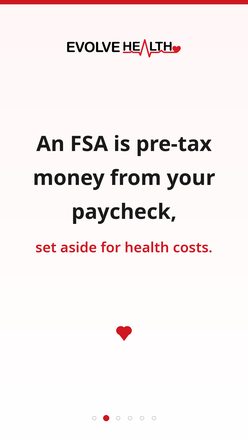
A flexible spending account (FSA) is a benefit your employer offers alongside your health plan. Before the plan year starts, you choose an amount to set aside — for 2026, the IRS allows up to $3,400 — and that amount comes out of your paychecks in equal pieces, before income and payroll taxes are calculated. Because the money is pre-tax, every dollar in your FSA buys more care than a dollar of take-home pay.
Two features make the health FSA especially handy. First, your full annual amount is available from the first day of the plan year, even though the deductions continue all year. Second, the money covers a wide range of care for you, your spouse, and your dependents. The trade-off is built into the design: the account belongs to your employer's plan, so in most cases money you do not use during the year — or if you leave the job mid-year — stays with the plan. That is exactly why a little year-end planning pays off.
The December 31 deadline, and the one exception your plan may offer
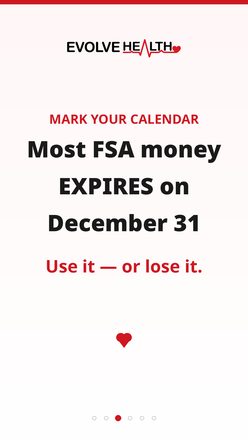
Most FSAs run on the calendar year, which makes December 31 the date that matters: expenses generally have to be incurred — the care received, not just paid for — by the last day of the plan year. Employers can soften that deadline in one of two ways, and the IRS allows a plan to offer one of them, never both:
- A grace period gives you up to 2½ extra months to incur expenses — for a calendar-year plan, until March 15. It is breathing room to get the care, not just to file the paperwork.
- A carryover rolls a limited amount into the next plan year. For 2026 plan years, the IRS caps the carryover at $680, and your employer may set a lower cap of its own.
Some plans offer neither, in which case December 31 is firm. Many plans do give you a short "run-out" window after year-end to submit receipts for care you already received — helpful, but it does not extend the deadline for new care. Your plan portal, summary plan description, or HR team can tell you in one minute which version you have. That answer decides how fast you need to move.
What your FSA can pay for
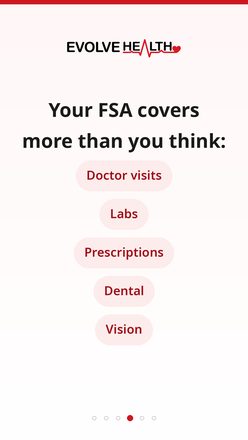
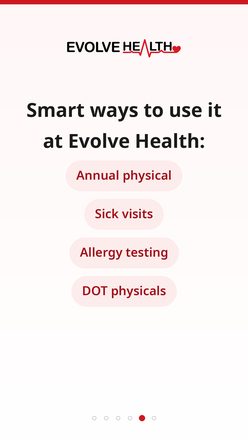
The IRS list of qualified medical expenses is broader than most people expect. It includes doctor visits and copays, prescription medicines, lab work and health screening, dental care, and vision care — exams, glasses, and contacts. Many over-the-counter medicines and everyday health items also qualify, and they no longer require a prescription. In other words, the balance sitting in your account can cover the ordinary, sensible care most families use every year — including care at a clinic like ours. At Evolve Health, patients regularly use FSA funds for sick visits ($75 flat), annual physicals ($0 with acceptable insurance — and any copay or lab costs your plan leaves to you are typically FSA-eligible), DOT physicals ($99), allergy testing, labs, and telehealth visits.
Your year-end FSA checklist
Work through these steps in order — most take minutes, and the care itself is care you were going to want anyway:
- Check your balance and your plan's exact rule. Log in to your FSA portal and note the balance, whether you have the grace period or the carryover, and your deadline to incur expenses.
- Book the annual physical you have been meaning to get. It is the highest-value visit of the year — screening, labs, and a plan for the year ahead. With acceptable insurance it is $0 at Evolve Health, and related copays or lab charges are classic FSA expenses.
- Take care of the nagging issue. The knee that aches, the cough that lingers, the rash that keeps coming back — a $75 flat sick visit settles it, and it is the kind of expense your FSA exists for.
- Get the testing done. Fall is North Texas allergy season, with cedar season right behind it. Allergy testing now means a plan before symptoms peak — and screening labs you have been postponing fit the same visit window.
- Drivers: knock out your DOT physical. If your medical card renewal is coming up, a $99 DOT physical is a clean, eligible way to use the balance.
- Refill and schedule the rest. Line up prescription refills, and book the dental cleaning and eye exam on your list — both are FSA-eligible staples.
- Short on time? Use telehealth. Many concerns can be handled by video from home, anywhere in Texas — telehealth visits count the same as in-person care for your FSA.
Put your FSA dollars to work before December 31
Book the physical, the sick visit, or the testing you have been putting off — $75 flat sick visits, $99 DOT physicals, and we tell you the price before you are seen.
Picking next year's amount during open enrollment
Fall is also when most employers hold open enrollment — your one chance to set next year's FSA election. This year's experience is your best guide: add up what you actually spent on copays, prescriptions, dental, vision, and visits like ours, then elect close to that figure. A realistic estimate protects you both ways — you keep the tax savings on money you will genuinely use, and you avoid over-funding an account with a deadline. And if your plan pairs with a high-deductible health plan instead, you may be looking at the FSA's very different cousin: our guide to how an HSA works explains why that account never expires. For the full side-by-side picture, see HSA vs FSA vs HRA, explained.
| Question | FSA | HSA |
|---|---|---|
| Who owns it? | Your employer's plan | You |
| Does unused money roll over? | Limited — up to $680 carryover or a 2½-month grace period, if your plan offers one | Yes — all of it, every year |
| What if I change jobs? | In most cases the money stays with the plan | It goes with you |
| Deadline pressure? | Yes — spend by year-end | None |
Frequently asked questions
What happens to FSA money I don't spend?
In most plans, money left at the end of the plan year is forfeited back to the plan — that is the use-it-or-lose-it rule. Your plan softens it in one of two ways, if your employer chose one: a grace period of up to 2½ extra months to incur expenses, or a carryover that rolls a limited amount into next year. Anything beyond that is gone, so spending the balance on care you need is always the better outcome.
How much FSA money can roll over to next year?
If your employer's plan offers the carryover option, the IRS allows up to $680 of your unused 2026 health FSA balance to roll into 2027. Your employer may set a lower cap, and plans offer either the carryover or the grace period — never both. Check your plan documents or ask HR which one your plan has.
What is the FSA grace period?
The grace period gives you up to 2½ extra months after the plan year ends to incur eligible expenses — for a calendar-year plan, that means until March 15. It is extra time to have the care, not just to submit receipts. Employers offer the grace period or the carryover, not both.
What can I pay for with an FSA?
Qualified medical expenses: doctor visits and copays, prescription medicines, lab work and screening, dental care, vision exams, glasses and contacts, and many over-the-counter medicines and health items, which no longer need a prescription to qualify. Your plan administrator publishes the full eligible list.
Can I use my FSA at Evolve Health?
Yes. Patients regularly use FSA funds here for sick visits ($75 flat), annual physicals ($0 with acceptable insurance — and copays or labs your plan leaves to you are typically FSA-eligible), DOT physicals ($99), allergy testing, labs, and telehealth visits. Most pay with their FSA debit card or submit our receipt to their plan for reimbursement. Call (940) 257-2002 and we will tell you the price before you are seen.
Sources
- Internal Revenue Service — Publication 969: Health Savings Accounts and Other Tax-Favored Health Plans (health FSA rules, grace period, and carryover)
- Internal Revenue Service — Revenue Procedure 2025-32 (2026 limits: $3,400 health FSA contribution cap; $680 maximum carryover)
- Internal Revenue Service — Notice 2013-71 (carryover option; a plan may offer the carryover or the grace period, not both)
General education only — not tax or financial advice: This article explains how flexible spending accounts generally work. Your own plan's documents set your deadlines and eligible expenses, and a tax professional or your plan administrator can advise on your specific situation.
Need care for this?
Book an appointment online in under a minute, or call (940) 257-2002 — same-day appointments may be available.